First-Time Home Buyer Insurance 101: What You Actually Need to Know
Why Lenders Require Coverage and How HO-3 Policies Work
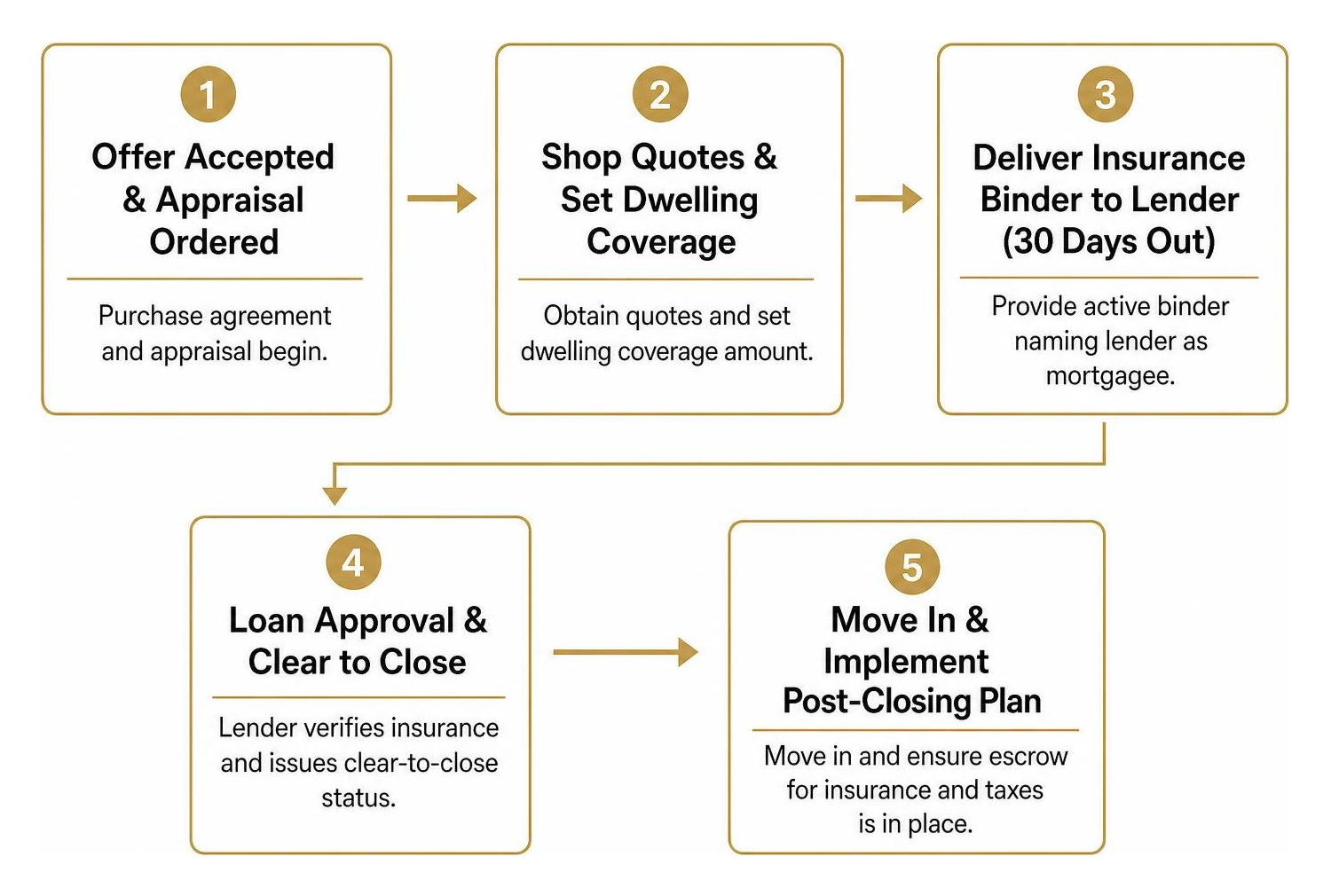
First-time home buyer home insurance is a homeowners policy that protects your new home, personal belongings, and financial liability. For most single-family homes, the standard policy is an HO-3 special form, which provides replacement-cost dwelling coverage for the structure, named-peril coverage for personal property, and personal liability protection. To secure coverage before closing, you select a policy, pay the initial premium, and have your agent issue an insurance binder naming your lender as the mortgagee.
When purchasing a property with a mortgage, your lender invests significant capital into your transaction. To protect that financial stake, lenders require proof of insurance before issuing clear-to-close status. If an unforeseen disaster damages or destroys the structure, the lender must verify that sufficient funds exist to repair or rebuild the asset.
Lenders require an active insurance binder naming them as the mortgagee. In most standard home purchases, your annual premium is managed through an escrow account. The mortgage servicer collects one-twelfth of your projected insurance premium and property taxes each month alongside your principal and interest payment, remitting payment directly to your insurer when renewal approaches.
The benchmark policy for single-family residences is an HO-3 special form policy. An HO-3 provides “open perils” protection for the physical structure, meaning damage from any cause is covered unless explicitly excluded in the policy contract. It also provides named-peril protection for your personal contents and includes several core components:
- Dwelling Coverage (Coverage A): Protects the primary residential structure and attached fixtures.
- Other Structures (Coverage B): Covers detached buildings such as garages, fences, and pool enclosures.
- Personal Property (Coverage C): Compensates for damaged, destroyed, or stolen personal belongings.
- Loss of Use / Additional Living Expenses (Coverage D): Reimburses temporary living costs if a covered peril renders your residence uninhabitable.
- Personal Liability Protection (Coverage E): Defends against lawsuits and bodily injury claims occurring on your premises.
- Guest Medical Payments (Coverage F): Covers minor medical expenses for guests injured on your property, regardless of fault.
If your property is located within a planned community, keep in mind that master associations carry distinct obligations. Reviewing A Quick Start Guide to Orlando HOA Rules helps identify where the master policy stops and where your individual HO-3 responsibilities begin.
Replacement Cost vs Market Value for Dwelling Coverage
A common misunderstanding among new buyers involves confusing market value with replacement cost. Market value reflects what a buyer pays for the home, combining the structural value with the underlying land, community desirability, and local supply. Replacement cost represents the precise expense required to clear debris and rebuild the structure from the foundation up using current construction materials and labor rates.
Insuring a property based solely on real estate listing prices or automated appraisal figures can result in significant errors. Land does not burn or blow away in a windstorm, so insuring for full market value often inflates dwelling limits unnecessarily. Conversely, if local labor or raw material prices rise after regional storm activity, an outdated structural valuation leaves the home under-insured. Automated online valuation algorithms frequently miss custom interior upgrades, architectural enhancements, and neighborhood micro-trends; consulting our team for the ins and outs of home value estimates provides clear perspective on actual property metrics.
| Valuation Feature | Replacement Cost (Rebuild Value) | Market Value (Real Estate Price) |
|---|---|---|
| Land Value Included | No | Yes |
| Calculation Basis | Local labor, materials, permits, debris removal | Buyer demand, location, school zones, land value |
| Purpose | Establishes Coverage A dwelling policy limits | Determines purchase price and real estate transactions |
| Inflation Vulnerability | Subject to construction and material supply swings | Subject to housing market cycles and mortgage rates |
Actual Cash Value vs Replacement Cost for Personal Belongings
When structuring Coverage C for personal belongings, insurers offer two valuation methods: Actual Cash Value (ACV) and Replacement Cost Value (RCV).
Actual Cash Value reimburses the depreciated value of your belongings at the time of loss. For instance, a five-year-old television or designer sofa will be paid out based on its current garage-sale or second-hand value rather than what it costs to buy a new one today.
In contrast, Replacement Cost Value pays the actual retail price required to buy a brand-new, comparable replacement without deductions for wear and tear. While an RCV policy requires a slightly higher baseline premium, it prevents massive out-of-pocket expenses when filing a contents claim after an emergency.
Essential First Time Home Buyer Home Insurance Policies and Coverage
Selecting a quality homeowners policy requires balancing structural safeguards against regional environmental risks. A standard policy establishes basic financial protection, but luxury finishes, architectural details, and local climate factors demand tailored coverage layers.
Whether you are exploring executive properties or reviewing houses for sale in Lake Nona FL, aligning policy limits with the unique construction profiles of Central Florida communities prevents costly exposure.
First Time Home Buyer Home Insurance Endorsements to Add
Generic policies frequently exclude everyday operational risks that catch new owners off guard. Adding four high-impact policy endorsements provides vital security:
- Water Backup and Sump Overflow: Standard policies exclude damage caused by sewer backups, drain overflows, or sump pump mechanical failures. A water backup rider bridges this gap.
- Service Line Protection: Covers the excavation and repair expenses when underground utility lines—such as exterior water mains, sewer pipes, or electrical conduits on your land—rupture or fail.
- Equipment Breakdown Coverage: Protects expensive mechanical systems, including multi-zone HVAC compressors, smart-home automation systems, and luxury kitchen appliances, against electrical and mechanical breakdown.
- Ordinance or Law Coverage: If a property sustains structural damage, local municipal building codes may require updated wiring, roofing reinforcements, or plumbing standards during rebuilding. This endorsement pays for the mandated modern code upgrades.
Standard HO-3 Exclusions and Critical Coverage Gaps
An HO-3 policy contains specific structural exclusions. Assuming all water or earth-related perils are covered is one of the most expensive assumptions a new owner can make.
- Rising Water and Flooding: Damage resulting from overflowing water bodies, tropical storm surges, or excessive surface water runoff is entirely excluded under standard homeowners policies.
- Earth Movement and Sinkholes: Standard policies exclude settling, earth movement, and catastrophic ground cover collapse unless specialized endorsements or standalone policies are bound.
- Wear, Tear, and Deferred Maintenance: Damage resulting from aging roof shingles, slow plumbing leaks, or pest infestations is considered homeowner maintenance responsibility and is denied during claims adjustments.
What Influences First Time Home Buyer Home Insurance Rates and Savings
Underwriters price policies using actuarial risk calculations. Reviewing 5 ways to know if an Orlando insurance quote is right for you allows buyers to gauge policy pricing against regional performance standards.

Adjusting policy structure, optimizing deductibles, and combining accounts unlocks immediate savings without sacrificing core structural security.
| Policy Strategy | Structure Adjustment | Potential Premium Impact |
|---|---|---|
| Deductible Adjustment | Raising deductible from baseline to higher tier | Lowers annual baseline premium |
| Multi-Policy Bundling | Combining home and auto with a single carrier | Provides multi-line account credit |
| Protective Devices | Installing centrally monitored fire and burglar alarms | Unlocks specialized security discounts |
| Wind Mitigation Features | Verifying hurricane clips, secondary water barriers, roof geometry | Reduces structural wind risk rating |
Key Factors in First Time Home Buyer Home Insurance Pricing
Insurers evaluate several core criteria when underwriting residential coverage:
- Credit-Based Insurance Scores: In states where permitted, credit history influences insurance tier scoring, with higher credit ratings unlocking preferred pricing.
- Roof Age and Geometry: Roof condition, material type, and design (such as hip roofs that resist wind uplift better than gable profiles) heavily impact underwriting risk.
- Location Risk and Claim Frequency: Proximity to coastlines, local emergency infrastructure response times, and municipal fire protection capabilities directly sway rate calculations.
- Catastrophe Exposure: Regional weather events drive aggregate insurance market adjustments, making structural mitigation features critical for price stability.
How First-Time Buyers Can Stack Discounts to Lower Premiums
To reduce annual insurance expenditures, buyers can stack multiple underwriter discounts simultaneously:
- Account Bundling: Placing your auto, umbrella, or marine policies with your home insurer provides multi-policy premium discounts.
- Smart Home & Protective Monitoring: Water leak sensors, automatic main shutoff valves, and monitored fire alarms signal reduced claim severity to carriers.
- Wind Mitigation Verification: Providing an official wind mitigation inspection report documenting hurricane-rated roof clips, impact openings, and secondary water barriers secures significant windstorm premium credits in Florida.
- Claim-Free History: Buyers with a clean personal insurance record qualify for preferred tier pricing.
The Buyer Timeline and Post-Closing Protection Plan
Managing your insurance timeline alongside your loan process prevents last-minute closing delays and secures continuous property protection.
Following our ultimate checklist for Lake Nona real estate ensures every property milestone—from inspection contingency to closing day—proceeds on schedule.
When to Shop for Insurance Before Closing
Begin shopping for your homeowners policy approximately 30 days prior to closing, aligning with the window when your lender orders the formal appraisal.
Securing your policy early allows underwriters to complete roof verifications and wind inspections without rushing. Once you select your policy, the agent issues an insurance binder and paid receipt directly to your loan officer and title company, satisfying mandatory underwriting conditions well ahead of your closing date.
The 30-60-90 Day Post-Closing Checklist
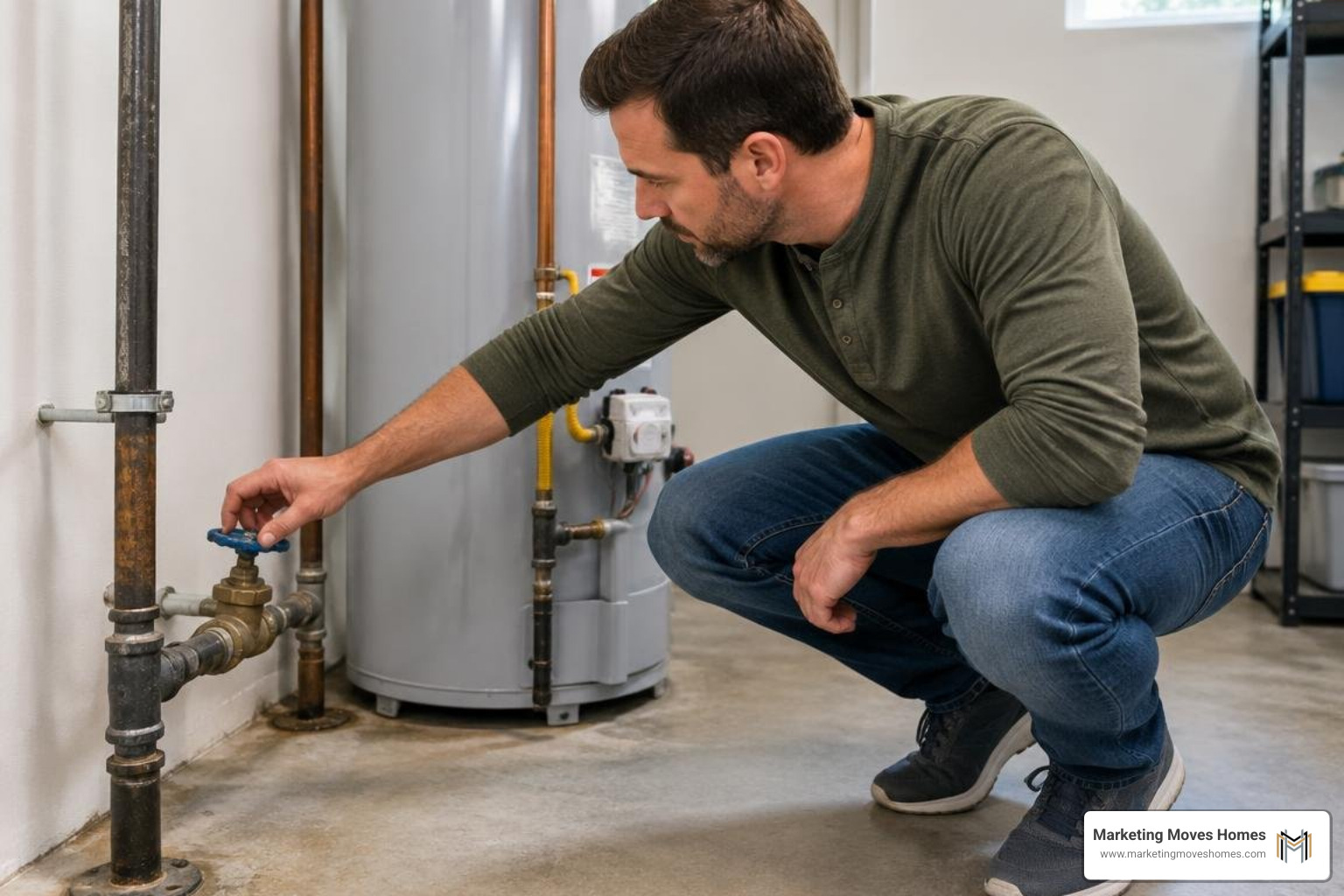
- Day 1 to 30: Locate and test your main interior water shutoff valve, electrical breaker panels, and exterior emergency disconnects. Complete a comprehensive digital video walkthrough of every room, closet, and storage area to establish a cloud-backed inventory of your personal property and serial numbers.
- Day 31 to 60: Test all smoke detectors, carbon monoxide monitors, and smart leak sensors. Store your insurance policy declarations page, agent contact information, and carrier claims phone numbers in a secure, easily accessible digital folder.
- Day 61 to 90: Review any new luxury furnishings, home improvements, or electronic additions purchased since moving in. If substantial enhancements have been made, contact your insurance advisor to verify that personal property and dwelling limits remain fully aligned with your home’s value.
Frequently Asked Questions About Homeowners Insurance
Is homeowners insurance legally required if I purchase with cash?
No statutory law requires cash buyers to purchase homeowners insurance. However, going without coverage leaves your personal capital fully exposed to catastrophic fire, structural destruction, severe storms, and third-party liability lawsuits. Maintaining comprehensive coverage safeguards your real estate assets against unexpected losses.
Does a standard policy cover flood damage in Central Florida?
Standard HO-3 policies do not cover damage caused by rising external water, flash floods, or storm-driven surface water accumulation. Homeowners must obtain a dedicated flood insurance policy through the National Flood Insurance Program (NFIP) or a private flood insurance carrier to protect against these specific water perils.
How much liability coverage should a first-time buyer carry?
A baseline personal liability limit of at least $300,000 is strongly recommended for first-time buyers. Increasing liability limits from the minimum to $300,000 or $500,000 typically involves a nominal annual premium adjustment while providing crucial legal defense and asset protection against premises-related injuries. Homeowners with substantial personal assets should also evaluate a supplemental personal umbrella policy.
Conclusion
Securing the right first-time buyer home insurance policy transforms a mandatory lending requirement into a strong foundation of personal risk management. By accurately calculating full replacement costs, addressing critical exclusions with targeted endorsements, and shopping well before your closing deadline, you ensure your real estate investment remains fully safeguarded.
At Marketing Moves Homes, we specialize in guiding clients through the intricacies of the Central Florida real estate market. Whether you are seeking a custom estate in Windermere, a luxury home in Doctor Phillips, or an executive property in Lake Nona, our team pairs localized market intelligence with strategic advisory services to deliver a smooth purchase experience.
When you are ready to take your next step, connect with our team to start buying your dream home with local guidance.